
Information and publications on two orientation frameworks for teaching science are available in English.
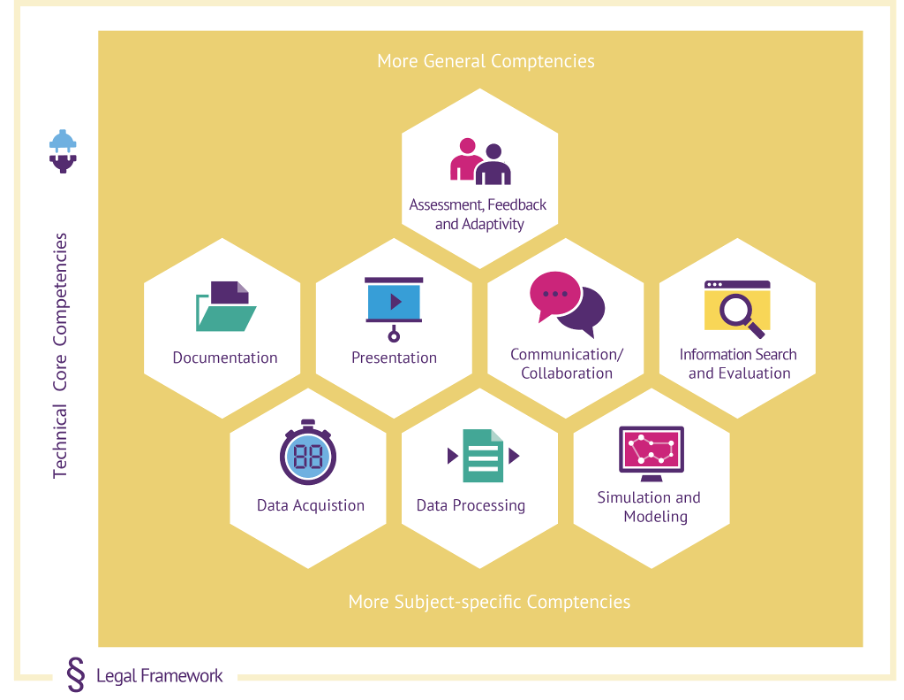
DiKoLAN AI
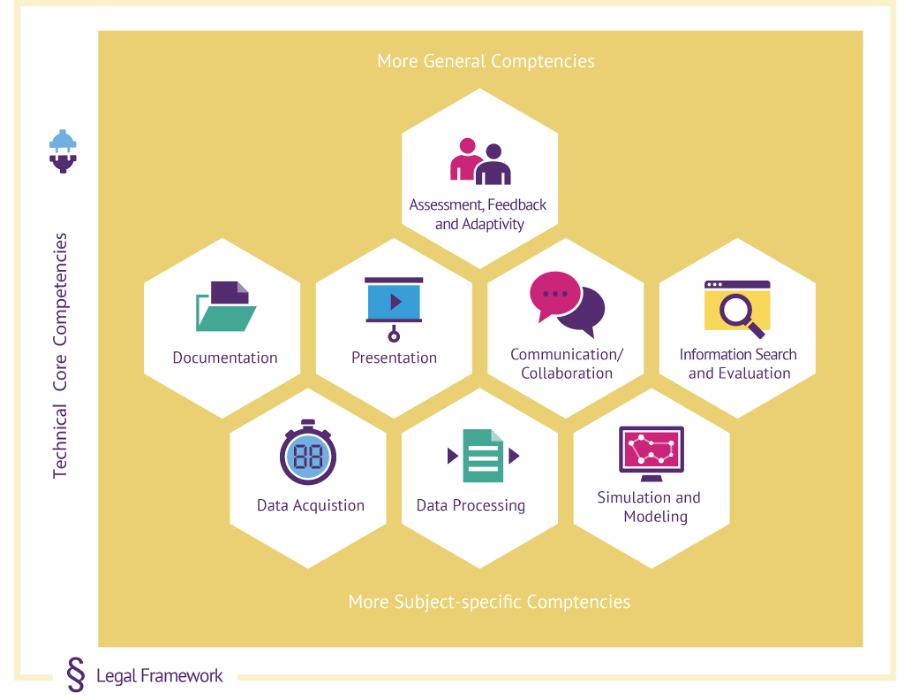
DiKoLAN AI – Competencies for teaching with and about artificial intelligence in the natural sciences
The rapid advancement and widespread adoption of digital technologies have transformed the education sector. Among these developments, the emergence of generative artificial intelligence (AI) tools such as ChatGPT has had a considerable impact on teaching and learning practices. While the integration of AI into educational settings is becoming increasingly common, subject-specific analyses, especially in STEM education, are still lacking. This paper examines the specific challenges and potential of AI in the context of STEM education. It does so by exploring how AI has transformed scientific disciplines and how these changes impact teaching and learning. It highlights the necessity for educators to acquire specific competencies to effectively incorporate AI into their instructional practices. Building on existing frameworks such as DigCompEdu and the subject-specific DiKoLAN, the paper proposes an AI-focused framework: DiKoLAN AI. This framework aligns AI-related teacher competencies with instructional practice in science education. It also provides a structure for categorizing existing teacher training programs. The paper outlines the development of the DiKoLAN AI framework and its content consensus validation by a total of 64 experts through three iterative cycles. Its practical application is demonstrated through 20 case studies from different authors, which offer a practical approach for supporting teacher training and curriculum design in AI-integrated STEM education. The paper concludes with a discussion of opportunities, challenges and future research needs for teacher professionalization.
Johannes Huwer, Christoph Thyssen, Sebastian Becker-Genschow, Lena von Kotzebue, Alexander Finger, Erik Kremser, Sandra Berber, Mathea Brückner, Nikolai Maurer, Till Bruckermann, Monique Meier, Lars-Jochen Thoms, Competencies for teaching with and about artificial intelligence in the natural sciences — DiKoLAN AI, Computers and Education Open, Volume 9, 2025, 100303, ISSN 2666-5573, https://doi.org/10.1016/j.caeo.2025.100303
DiKoLAN
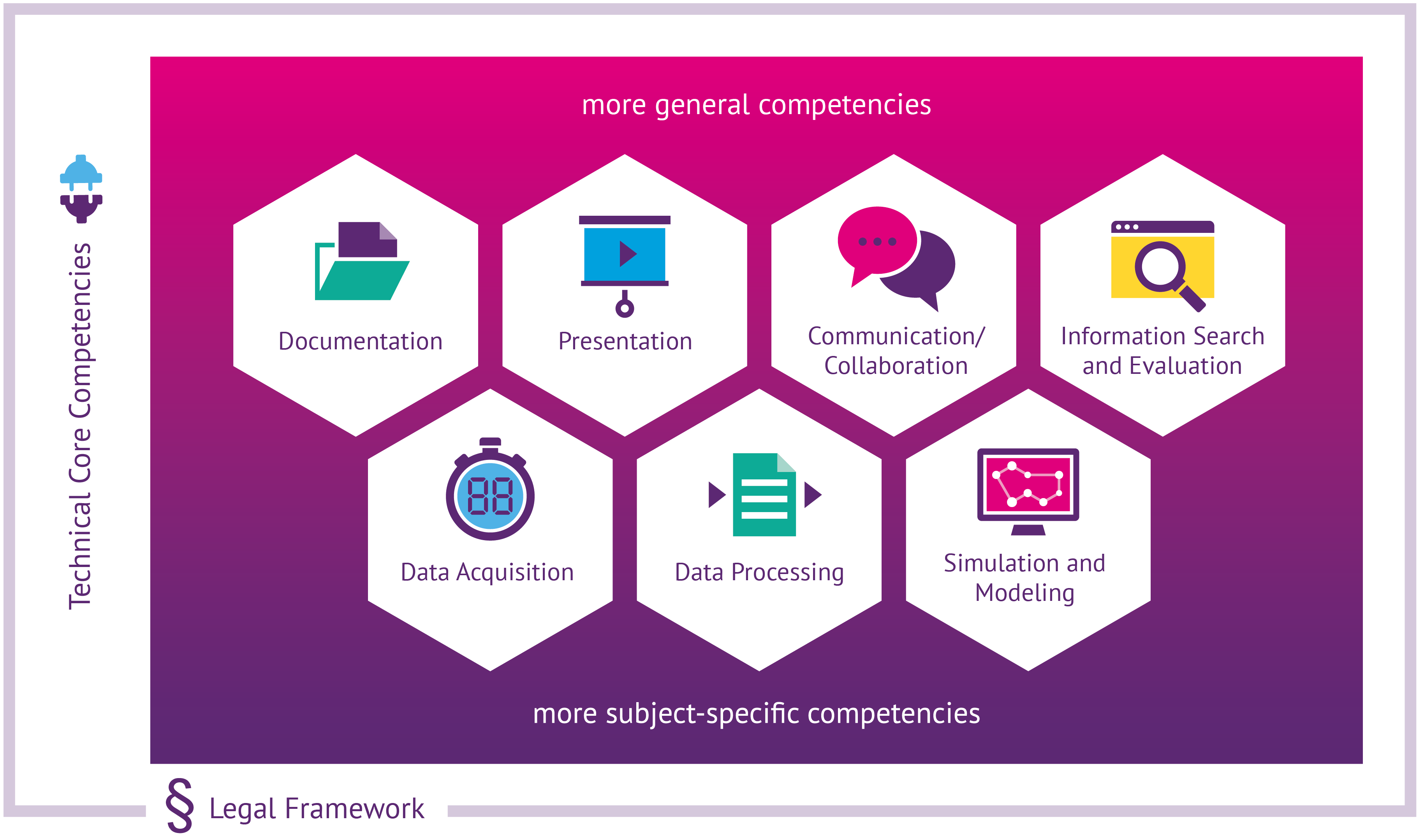
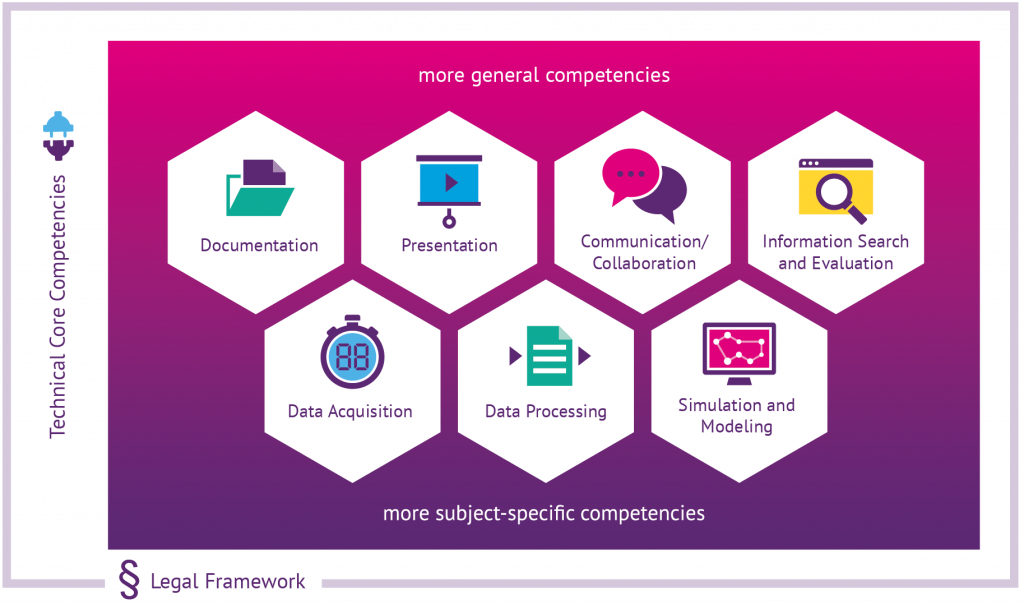
DiKoLAN – Digital Competencies for Teaching in Science Education
A detailed description of the individual competence areas together with formulated competence expectations can be found under the menu item “Competencies“.
Becker, S., Bruckermann, T., Finger, A., Huwer, J., Kremser, E., Meier, M., Thoms, L.-J., Thyssen, C., & von Kotzebue, L. (2020). Orientierungsrahmen Digitale Kompetenzen für das Lehramt in den Naturwissenschaften – DiKoLAN. In S. Becker, J. Meßinger-Koppelt, & C. Thyssen (Hrsg.), Digitale Basiskompetenzen – Orientierungshilfe und Praxisbeispiele für die universitäre Lehramtsausbildung in den Naturwissenschaften (S. 14-43). Hamburg: Joachim Herz Stiftung.